I Tried Both Google’s AI Glasses and Talked to the Senior Product Director of Android XR About the Different Types of Smart Glasses We Can Expect and the Challenges in Developing Them – Here’s What I Learned
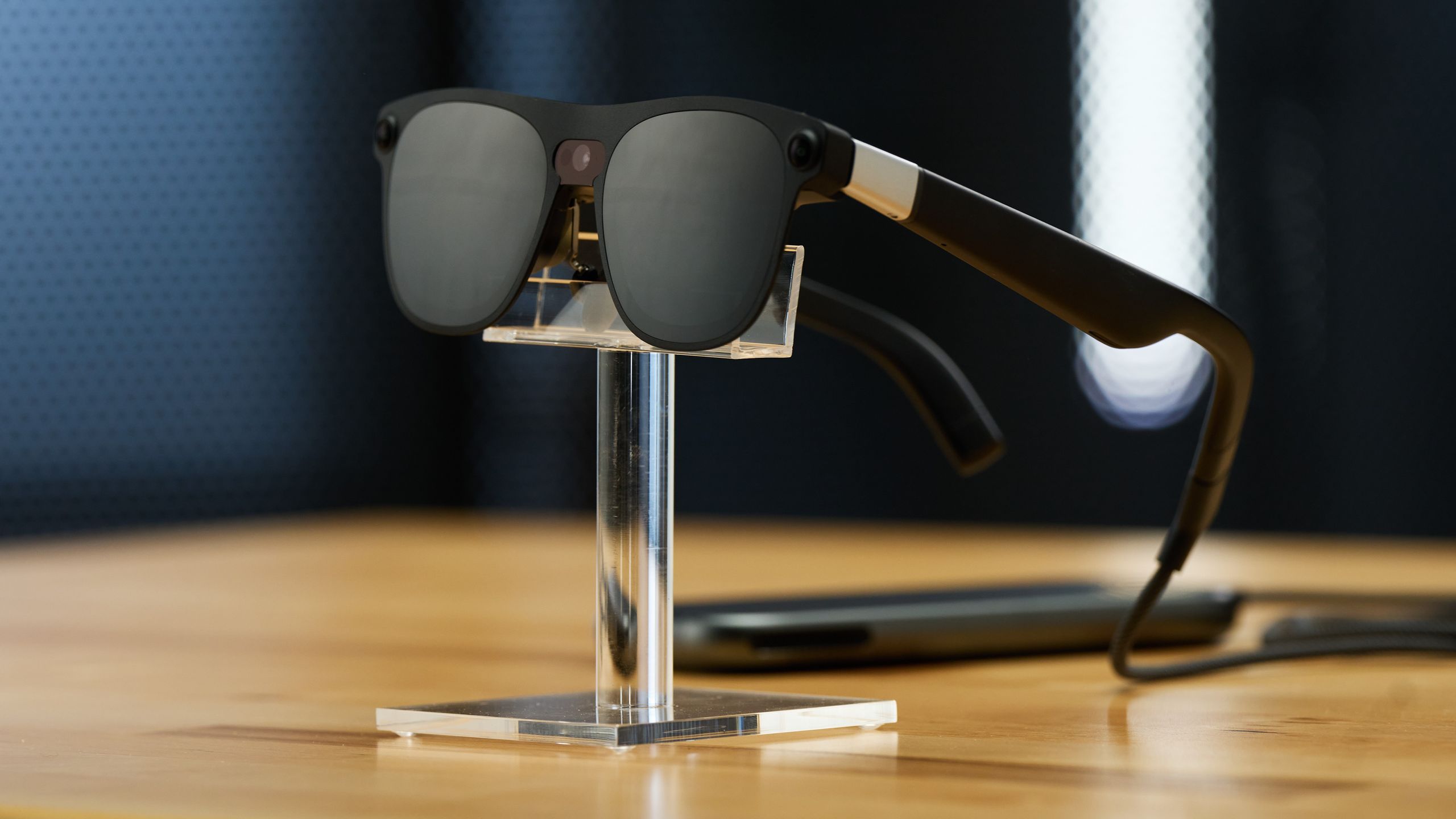
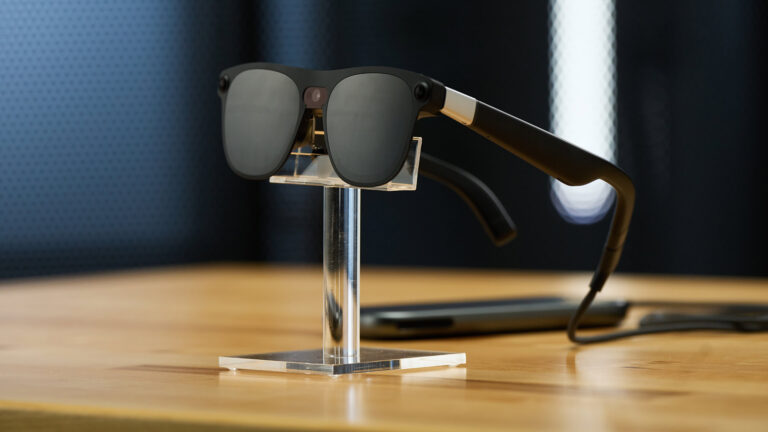
Earlier than the Android Present: XR Version showcased the way forward for Android XR, I loved a one-hour non-public demo testing three pairs of Android XR glasses: the monocular AI glasses first launched at I/O 2025, a brand new HUD binocular prototype, and the XREAL Venture Aura XR glasses.
My first demo of the Android XR Glasses at I/O lasted simply 5 minutes, scratching the floor with just a few apps. This time, I used these glasses with a HUD for greater than half-hour, testing Gemini, Google Maps and Translate, YouTube Music, Uber and different glasses-based apps.
Subsequent, Google requested me to check a brand new prototype of the binoculars – which means they use twin screens with wider FoV and 3D depth capabilities. I then examined the XREAL Venture Aura, pictured above, which makes use of the identical UI and pinch gestures because the Galaxy XR, however with a lighter type issue and 70-degree FoV.
What to anticipate from Android XR glasses
Google’s monocular prototype and Android XR software program will function the idea for Samsung’s eyewear {hardware}, which can launch subsequent yr with designs from Warby Parker and Mild Monster. They may also launch “screenless” AI glasses in 2026, counting on Gemini audio system, microphones, cameras and smartphones for an audio-led expertise. They are going to be a severe competitor to the Ray-Ban Meta AI glasses.
The twin-screen model, then again, will not arrive till 2027. Juston Payne, senior product director of Android XR, defined that they nonetheless “weigh a bit an excessive amount of” for customers, so Google “will wait till it is prepared.” I actually felt the tip on my nostril, on par with the Meta Ray-Ban Show glasses.
Take a look at
Audio-only glasses will most likely be probably the most reasonably priced, skinny and widespread. Payne stated Android XR builds on years of audio-only instruments constructed for the Pixel Buds and Pixel accessibility instruments like TalkBack, “leveraging what was already there.”
I turned off the HUD glasses with the faucet of a button and was nonetheless in a position to depend on the Gemini intelligence I would usually get on the Pixel Watch 4. Payne says he expects the “most use” of those HUD glasses to be “with the display off,” so utilizing an audio-only model “is not like a painful lower,” Payne assured me.
I did not get an opportunity to {photograph} the prototypes, however the closing variations will not look the identical anyway. What’s extra vital is what I realized, each throughout the demo and behind the scenes, about what to anticipate from these new Samsung-made, Google-powered glasses, together with how they’re going to sync with different Google gadgets and benefit from Pixel digicam experience.
These good glasses will work with iOS, however Android integration is vital

In the course of the demo of the glasses prototype, they shocked me with the information that Samsung’s closing launch will work on each Android and iOS. I assumed they might make the identical mistake as with the Galaxy Ring and make it Android-exclusive, however the Google workforce identified that iPhone house owners would additionally need these improved Google app experiences.
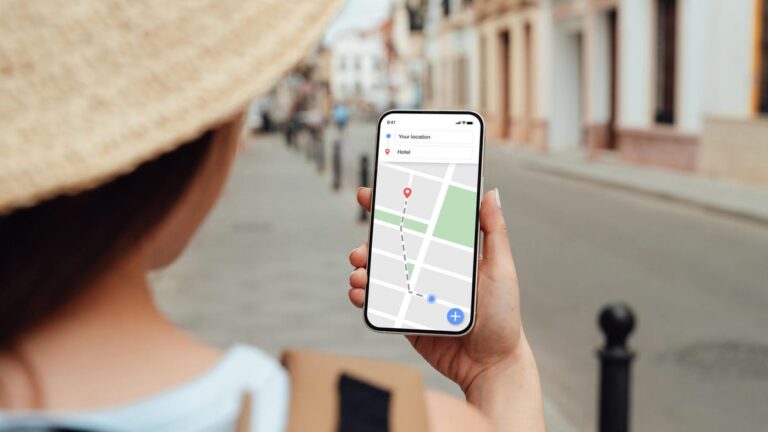
A lot of the options I’ve demonstrated on Google’s AI Glasses—picture recognition and recipe recommendation via cameras, computerized dwell translation, shared digicam viewing throughout calls, native restaurant listings, turn-by-turn navigation with a minimap, or beamforming to tell apart between my voice and others—are additionally accessible on Meta’s AI or HUD glasses.
Meta achieved this by combining its apps and intelligence with key companions, enabling its AI instructions to set off fundamental instruments like beginning a playlist or calling a contact. Whereas Google has direct entry to the Android system, it clearly realized that it may provide an identical partial expertise on the iPhone and extraordinarily increase its potential viewers.

Nevertheless, the Android expertise ought to be the final word one, with direct entry to all Play Retailer apps as a substitute of particular entry to the Google Workspace and Gemini suite, plus accomplice apps. And they’ll sync with different Android equipment.
After I took an image with the glasses, a preview appeared on a Google consultant’s Pixel Watch. He stated different Put on OS watches, comparable to Galaxy Watches, will combine with Android XR in order that gestures can set off sure actions — just like how the Meta makes use of its sEMG band for gesture controls.
Plus, on Android, developer instruments constructed for telephones will carry over to glasses. For instance, if an app helps Stay Replace notifications, builders will not should “do anything” for the glasses to show the identical wealthy notifications, Payne says.
It is as much as builders to resolve whether or not to benefit from the Android XR SDK and APIs to do extra. Uber, for instance, was “excited” by the Google Maps demo this Might and determined to create an identical expertise. Throughout my demo, Google simulated a pickup occasion; I may see an airport map within the pickup space wanting down, with a traditional widget of my driver data when wanting ahead.
The principle challenges that Google needed to clear up

I do not know what the Warby Parker and Mild Monster designs will appear like, however Payne guarantees that these Samsung glasses will likely be “glasses first,” with prescriptions and “solar colours” accessible, in addition to “stylistic selection” so that everybody can discover a pair that matches their “preferences.”
However their major technique for maintaining these glasses snug and trendy, in line with Payne, is to “offload” as a lot computing as doable to the cellphone, enabling smaller batteries and thinner frames.
That is why they don’t seem to be promoting dual-screen glasses in 2026; whereas they’re “nothing as heavy as 70 or 80 grams”, they’re nonetheless above the “consolation threshold” that customers will settle for. However Payne appears to suppose they’re going to clear up this {hardware} problem quickly. It will likely be thrilling after they do, however in addition to the burden, this prototype was extra nice to make use of, with a wider, centered discipline of view and elevated depth in sure functions – like 3D buildings in Google Maps.

One other good glasses problem that Google and Samsung should clear up is digicam high quality. Meta glasses can seize high-resolution photographs and stabilize movies, however they’ve limitations, particularly in low-light images, framing, and zooming.
Payne says Samsung is accountable for the cameras within the potential shopper launch, however it’s a “shut partnership” with Google that handles the post-processing and AI picture enhancing facet. So I requested Payne what to anticipate.
Payne instantly admitted that “physics will get in the way in which” of giving these Glasses the identical digicam high quality as a Pixel 10, as a result of the bezels cannot match massive sensors, however he is assured that Google’s “computational images investments” will assist the Glasses “push as much as that stage of high quality.” I additionally assume that instruments like Magic Editor will enable you take away extra particulars about your topic.
On that observe, after I advised Payne that my present AI glasses do not all the time know what object in entrance of me I am asking about, he promised that Gemini is nice at “summarizing” the topic, however recommended that individuals can “level” or maintain one thing, and Gemini will use that context when responding.
XREAL Venture Aura is as vital because the Galaxy XR to the way forward for Android XR

Regardless of a decade of Google Glass, VR headsets and AR prototypes, Payne says it is nonetheless “early days for XR generally”, with 2026 a “huge yr” as a result of the upcoming AI and HUD glasses would be the first good glasses with an “app ecosystem”.
But when Android XR goes to grow to be the ‘subsequent huge computing platform’, it may well’t simply be the present of Samsung and Google. Google will want it to be a correct open system, with extra companions. And that begins with XREAL Venture Aura turning into successful story.
After I examined the XREAL Venture Aura, it had the identical onboarding expertise because the Galaxy XR, with an similar seize tutorial and the identical apps and Gemini integration. Efficiency was easy, the FoV was a lot wider than on different good glasses, and it nonetheless has the benefit of syncing with a Change or Steam Deck for gaming.
These glasses actually have the potential to search out an viewers, however so what AFTER departure? Will Venture Aura get Android assist and software program updates on the identical price because the Galaxy XR? Or will it fall behind as Google prioritizes its largest accomplice? We have seen this in recent times with Put on OS, as long-term companions like Fossil and Mobvoi have fallen behind and ditched smartwatches.
We hope Android XR stays on a extra collaborative and supportive path, additional elevating the smartglasses class.